How AI and Data Are Changing Player Protection in Betting and iGaming
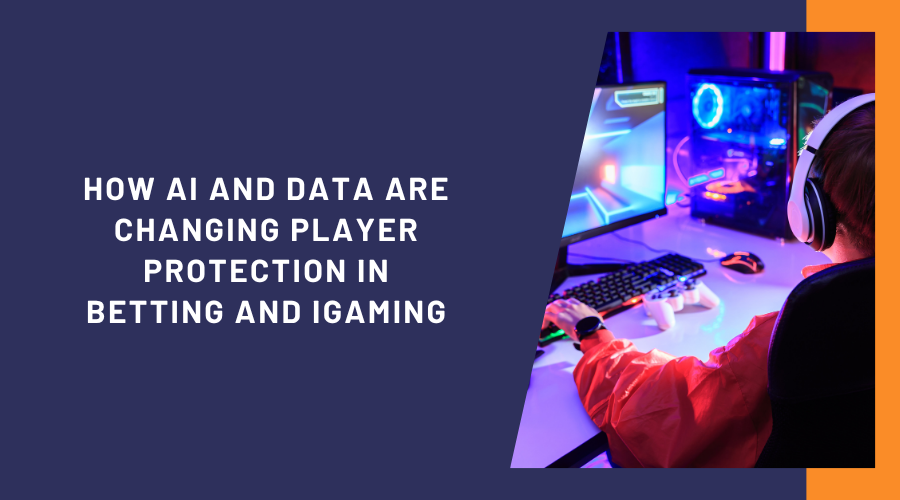
Betting and iGaming firms once relied on visible but blunt controls. Deposit limits, timeout buttons, and self-exclusion forms still matter. Yet they often act after trouble has started. A player may already be chasing losses, playing for longer, or making rushed deposits. The newer shift is earlier detection. Operators now review stake size, session length, payment patterns, failed deposits, and late-night activity. Machine learning can connect those clues faster than manual checks alone. In our view at Gamblizard, the main change is timing. AI in player protection can help teams move from delayed checks to earlier contact. Better responsible gambling technology should not feel like surveillance for its own sake. It should work like a smoke alarm: quiet most days, useful when patterns change. For iGaming player safety, prevention is usually more practical than repair.

$250 in Free Bets

$750 Bonus - Reduced Juice

$500 Free Play - *Limited Time*
Why Guardrails Matter in Regulated Markets
Player protection in iGaming is not only a social aim. It is part of regulated operation. Betting can create financial harm quickly, especially when stress, debt, or loss-chasing enters the picture. Some users may also have lower control at certain times. Others may be at higher risk because of age, health, or prior exclusion.
Operators must meet compliance duties as well. Identity checks help block minors and excluded users. Deposit limits can slow spending before panic takes over. Cool-off periods create a break between impulse and action. Self-exclusion offers a firmer stop when play is no longer manageable.
This is why a casino comparison platform can be useful for readers who want to assess operators before they register. Gamblizard, for example, treat player safety as part of their review process. They look beyond game lists and payment options. They also check how betting and casino brands present key controls, including deposit limits, cool-off periods, self-exclusion, identity checks, and access to support. These findings help readers see which operators make safer gambling tools clear, visible, and practical, rather than hiding them in policy pages.
Signals Behind an Account
Betting data analytics can review many account signals. These may include betting frequency, session length, and changes in deposit size. Teams may also examine failed payments, repeated card declines, rapid stake increases, and bonus use. Late-night activity can add context too, especially when it appears with longer sessions or higher spend.
Player behaviour data should never be read as proof on its own. One long session may mean a sports final ran late. One failed payment may come from a bank error. A larger C$100 stake may follow a payday, not harm. The concern rises when signals repeat and cluster. For example, a user who deposits more, plays later, and raises stakes after losses may need review.
These gambling harm signals help operators decide when to act. Action can be light at first: a reminder, a limit prompt, or a support link. In higher-risk cases, trained staff may assess the account.
Models That Notice Change
AI systems can review account activity close to live play. Each bet, login, withdrawal, pause, and deposit adds a small data point. Predictive analytics in gambling compares those points with past cases where harm was more likely. The system may then assign a risk score. A low score may need no action. A rising score may trigger a safer-play message.
Machine learning can also spot unusual changes. This is often called anomaly detection. A person who usually stakes C$5 may suddenly stake C$100. Another may deposit three times after a run of losses. Behavioural monitoring joins these signs across time. It helps teams see patterns, not single moments.
Gamblizard’s view is that AI should act as a warning layer. It can flag accounts for review and suggest next steps. Still, sensitive decisions need people. Account limits, source-of-funds checks, and welfare calls should not rely on code alone. Human review adds context, checks errors, and allows fairer outcomes.
Support at the Right Moment
Data can help operators present safer gambling tools when they are most relevant. Session length can trigger time reminders. Deposit history can support spending prompts. A sudden rise in spend may lead to a suggested limit. Repeated payment declines may point towards affordability checks. Long play after midnight may trigger cool-off options.
The tone of these prompts matters. A message should be plain, calm, and useful. Too many alerts become noise. Too few can miss early risk. Player protection systems require that middle ground: enough timing to help, not so much that users ignore it.
Responsible gambling technology can also connect people to support links. A user returning after losses may see information on pauses, limits, or helplines. Another may receive a reminder before exceeding normal spend. Gamblizard generally favours interventions that give users clear choices. The aim is control, not blame.
Fraud Prevention, Age Checks, and Identity Protection
AI and data also support iGaming compliance outside betting activity. Age verification in betting may involve names, birthdates, addresses, and documents. These checks help reduce underage access. Identity review links an account to a real person, which can reduce duplicate accounts and account misuse.
Account security benefits from pattern checks too. A sudden device change, odd login location, or unusual payment method may raise a flag. Fraud detection in iGaming can also spot bonus abuse. Linked devices or repeated account details may suggest that one person controls several accounts.
Anti-money laundering monitoring uses similar logic. Systems review deposits, withdrawals, timing, payment sources, and transaction patterns. Suspicious movement can trigger checks before funds leave the account. These controls support player safety because stolen accounts, false identities, and suspicious transactions can harm users as well as operators. Serious flags still need staff review.
Privacy, Bias, and Ethical Challenges
AI-based protection brings real concerns. AI ethics in iGaming starts with privacy. Player data may include payments, logins, location, devices, and play habits. Users should know what is collected, why it is collected, and how long it is kept. Consent should be clear, not hidden in dense legal text.
Data privacy in betting also requires restraint. Operators should collect only what protection and compliance require. This is data minimization. It reduces harm if a breach occurs and limits unnecessary profiling.
Transparency is another issue. A risk score can affect prompts, reviews, or account limits. Users need plain explanations and routes to challenge mistakes. False positives can wrongly flag normal play. Model bias can also impact certain groups more than others, especially if old data contains unfair decisions.
Responsible AI depends on human oversight. Operators should audit models, record errors, test outcomes, and publish clear policies. Automation should support judgement, not replace it.
What Comes Next
The future of responsible gambling will likely be more measured than dramatic. Risk models may become more accurate as data quality improves. They may spot harmful patterns earlier and reduce unnecessary alerts. Affordability checks may also become more precise, using income signals, spending patterns, and safer-play records where rules allow.
Real-time support prompts may appear at better moments. A user chasing losses could see help sooner. Another nearing normal spend could receive a limit suggestion before pressure builds. Player safety technology may also involve closer work between operators, payment providers, and regulators. iGaming regulation is likely to place more weight on data-use standards. That means clearer consent, stronger audit trails, and leaner data collection. For Canadian markets, this matters because regulation, public trust, and user protection are closely linked. Gamblizard expects the strongest systems to be those that explain their choices, not only those that process more data.
AI and data are moving protection from reactive checks to earlier, more targeted action. Betting data analytics can review stake rises, failed payments, long sessions, and loss-chasing patterns quickly. That gives operators faster detection and better timing. The same tools also support fraud control by identifying account misuse, bonus abuse, and suspicious transactions.
Education remains part of the same system. Clear guides help users understand odds, limits, account checks, and warning signs. Safer gambling depends on tools, but also on informed choices. AI can support safer gambling, but privacy, fairness, personal responsibility, and regulation remain essential.


Chat
Rules
The goal of chat is to talk sports and sports betting! Help each other by sharing picks and having a good time!
Below will not be tolerated
You can chat about most things to a certain extent. Exception is absolutely NO talking about Religion or Politics.
- There will be NO talking about others or their families
- There will be NO name calling.
- There will be NO rambling on or repeating the same thing over and over.
- There will be NO sexist comments.
- There will be NO posting of other websites.
Basically treat others the way you would like to be treated.
Break the rules

- 1st warning a 24 hour ban
- 2nd warning 7 day ban
- 3rd warning a lifetime ban